

Myrrh Essential Oil
Cómo obtenerlo
)

)

)
)
)
)
)

)
)
)
)
)
)
)
)
)
)
)
)
)
)
)
)
)
)
)
)
)
What Is Myrrh Essential Oil Good For?
Myrrh is a dried sap from a tree native to northeastern Africa and southwestern Asia called Commiphora myrrha (C. molmol). Myrrh has a long history of usage in traditional Chinese and Ayurvedic medicines. Myrrh oil was in use to kill harmful bacteria even before scientific discovery that microbes cause contagious illnesses. Ancient Egyptians used myrrh oil and other essences in combination for embalming mummies. In addition to providing a pleasing scent, they also delay decay. Scientists are now examining the oil's potential benefits, including infections, pain, and skin conditions.
Myrrh oil may support oral care. With its antimicrobial qualities, myrrh has traditionally been in use to treat oral inflammation and infections. The product is in use to care for skin and help to heal sores. Applying diluted myrrh oil on your skin may aid wound healing and fight microbes that can cause infections and deter the growth of skin fungi that cause ringworm and athlete's foot. Myrrh may help to alleviate pain and swelling. Myrrh oil contains compounds that could provide temporary relief by countering pain signals to the brain. It might also block the production of inflammatory compounds in the body that lead to swelling and pain.
Can You Ingest Myrrh Essential Oil?
Myrrh oil is not for ingesting. High doses of myrrh can be toxic. Never swallow products that contain myrrh. Some mouthwashes and natural toothpaste contain myrrh oil, which may help relieve mouth sores and gum inflammation. Remember that you should never swallow oral-care products containing myrrh.
How To Apply Myrrh Essential Oil
Myrrh oil's earthy aroma blends well with citrus, floral, and spicy essential oils. The oil is used alone or in combination with complementary ones, such as frankincense and lemon. Examples include lavender, lemon, and frankincense. In general, 3-6 drops of essential oil per 1 teaspoon (5 ml) of carrier oil is an appropriate blend for use by adults. The mixture approximately equates to a 2-4% dilution, and use one drop per 1 teaspoon of carrier oil for a 1% dilution for children.
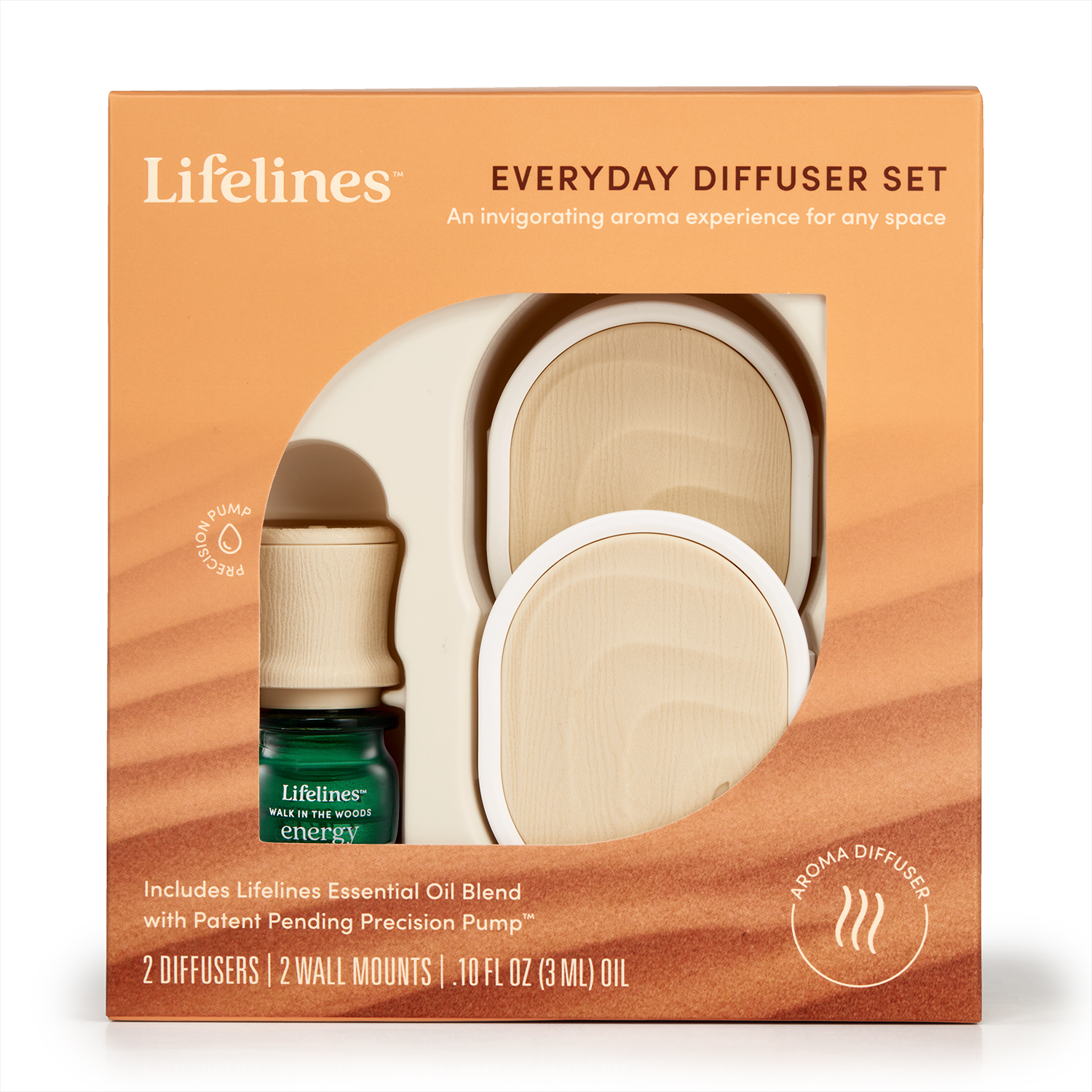
Myrrh oil can be applied topically, inhaled in vapor form, or used for oral care. Adding 3-4 drops of myrrh oil to a diffuser distributes the oil effectively as a fine mist into the surrounding air. Avoid application of the oil onto sensitive areas, including the eyes and inner ears. Wash hands with soap and water following handling to avoid unintentional contact with delicate areas.